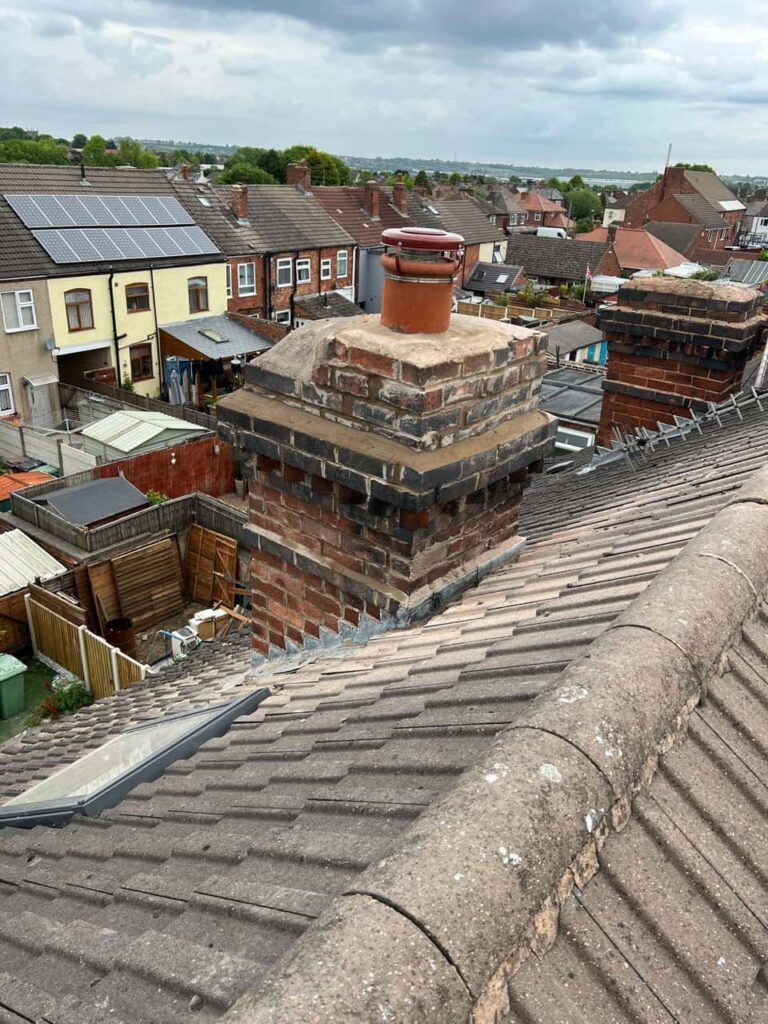
Flashing is one of the most crucial elements of a roof, yet it is often one of the most overlooked. Designed to prevent water from entering vulnerable junctions — such as around chimneys, valleys, skylights, and roof edges — flashing plays a vital role in maintaining the integrity of the entire roofing system. For homeowners in Haydon Wick, even small flashing problems can quickly turn into serious issues if not addressed promptly.
Flashing Protects the Roof’s Most Vulnerable Areas
While tiles and slates provide broad protection across the roof surface, flashing is responsible for safeguarding the areas where different materials meet. These junctions are naturally weaker and more exposed to water penetration. When flashing begins to crack, lift, or deteriorate, it compromises the very points that need the strongest defence.
This makes flashing an essential component in preventing leaks and maintaining the roof’s overall weatherproofing.
Small Gaps Can Lead to Major Water Damage
Flashing problems often start subtly: a slight tear in the material, a small gap where the flashing has lifted, or minor corrosion around fixings. However, even the smallest opening can allow water to flow beneath the tiles and into the roof space.
Once water enters, it rarely stays in one place. It can travel along timbers, soak into insulation, and eventually appear inside the home far from the original source. What seems like a small flashing fault can therefore lead to widespread internal damage if ignored.
Hidden Deterioration Makes Issues Harder to Spot
Unlike missing tiles or obvious surface damage, flashing issues are not always visible from ground level. They often occur beneath tile overlaps or within roof junctions that homeowners rarely inspect. By the time internal signs appear — such as damp patches, staining, or mould — the problem is usually well advanced.
Regular professional surveys are particularly valuable in Haydon Wick, where varied weather conditions can accelerate the deterioration of flashing materials.
Compromised Flashing Weakens the Entire Roof System
Flashing is tightly connected to other roofing components. When it fails, it can weaken neighbouring elements such as mortar, tiles, underlay, and battens. The longer the issue persists, the greater the risk of secondary damage — from rotted timbers to slipped tiles and sagging sections.
In many cases, flashing-related issues are responsible for some of the most expensive roof repairs simply because they go unnoticed for too long.
Temperature Changes Make Flashing More Vulnerable
Flashing must cope with constant expansion and contraction caused by changes in temperature. Over time, these movements can create splits or weaken the bond between the flashing and the roof. This is especially true around areas such as chimneys and dormers, where multiple materials meet and respond differently to heat and cold.
Because flashing is subjected to more strain than many other roofing materials, it often requires earlier attention — another reason why small issues should never be ignored.
Early Repairs Prevent Larger Structural Problems
Addressing flashing issues early helps maintain the structural integrity of the entire roof. A quick repair or replacement of damaged flashing can prevent:
- Internal damp
- Timber decay
- Underlay deterioration
- Tile displacement
- Heat loss caused by moisture problems
Prompt action ensures that the problem remains localised rather than spreading to other areas of the roof.
Conclusion
Flashing issues may start small, but they carry significant risk when left untreated. Because flashing protects the most vulnerable areas of a roof, any signs of deterioration should be taken seriously. Early intervention prevents water ingress, maintains structural stability, and avoids more extensive damage.
If you live in Haydon Wick and suspect that your flashing may be compromised, LJ Roofing Haydon Wick can provide a thorough inspection and professional repair service. Contact us to arrange an assessment and ensure your roof remains secure, watertight, and reliable.
Call us on: 01793 569 598
Click here to find out more about LJ Roofing Haydon Wick
Click here to complete our contact form and see how we can help with your roofing needs.