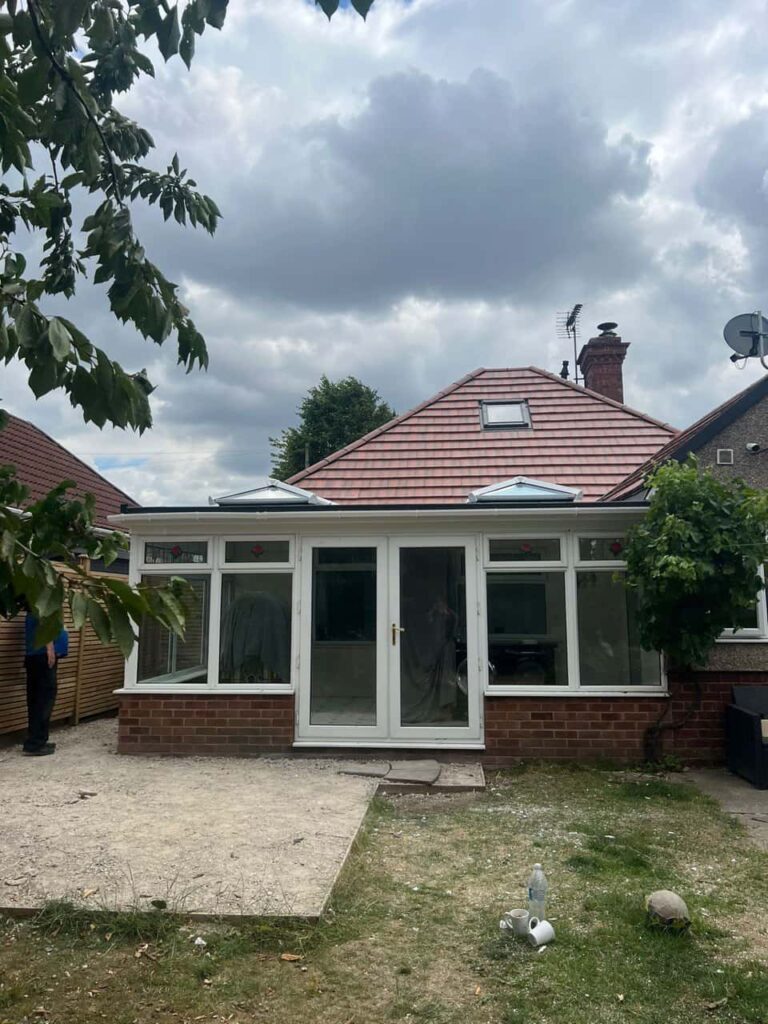
Slate roofs are admired across Haydon Wick, Wiltshire for their durability, natural beauty, and impressive lifespan. However, like any roofing material, slate can develop issues over time. The challenge for homeowners is that early warning signs are often subtle. Detecting problems before they spread can prevent costly repairs and protect the long-term performance of your roof.
Here is how to identify early-stage damage on a slate roof before it turns into something more serious.
Look for Slipped or Misaligned Slates
One of the first signs of an issue is when individual slates begin to slip out of place. Even a single out-of-line tile can:
- Leave gaps where water can penetrate
- Expose the underfelt
- Lead to further movement during wind or rain
Because slate roofs rely on overlapping layers, a slipped slate affects more than just one area. Spotting and correcting it early prevents wider disruption.
Check for Cracks and Delamination
Slate is strong, but it can crack due to weathering, impact, or age. Cracks allow water to seep in, which can freeze and expand during colder months.
Signs include:
- Fine lines or fractures on the tile surface
- Slates that look flaky or split
- Areas where the top layer of slate is lifting away
This delamination weakens the tile and makes it more prone to breaking or slipping.
Inspect for Discolouration and Patchy Weathering
Subtle colour changes can reveal hidden problems.
Look out for:
- Patches that appear lighter or “washed out”
- Darkening that may indicate moisture absorption
- Moss or lichen forming unevenly
Uneven weathering can be an early sign that water is trapped or that a section of slate is failing.
Pay Attention to the Area Around Fixings
Many slate roof problems start where the slates are secured. Older nails (known as “nail sickness”) can corrode, leaving tiles loose.
Warning signs include:
- Tiles that rattle in the wind
- Small gaps that weren’t there previously
- Slates that appear to lift slightly from their position
These issues often spread quickly once the fixings fail.
Check the Roof After Storms or High Winds
Slate roofs cope well with severe weather, but repeated storm exposure can reveal hidden weaknesses. After storms, visually check for:
- Newly slipped tiles
- Fresh cracks
- Debris or broken slate fragments on the ground
Any sudden change following bad weather is worth investigating promptly.
Look at the Edges, Valleys, and Junctions
These areas experience more water flow and are more vulnerable to early deterioration.
Be especially cautious of:
- Slates near chimneys or roof valleys
- Edges where wind uplift is strongest
- Sections around skylights or roof windows
Damage in these areas often spreads faster because they are critical to keeping water out.
Don’t Ignore Internal Warning Signs
Issues with a slate roof don’t always show externally first.
Inside your home, look for:
- Damp marks on ceilings or walls
- A musty smell in loft spaces
- Light visible through roof gaps
- Peeling paintwork near upper-floor ceilings
Internal symptoms often point to a specific roofing fault that may not yet be visible from outdoors.
Conclusion
Spotting early damage on a slate roof is essential to preventing more extensive problems. Subtle issues such as cracked slates, loose fixings, weathering patches, and slipped tiles can quickly escalate if left untreated. Regular checks — especially after storms — allow homeowners in Haydon Wick, Wiltshire to take action before issues develop further.
If you’ve noticed early signs of damage or want a professional assessment, LJ Roofing Haydon Wick is here to help. A timely inspection today can protect your roof’s long-term performance and keep your home safe and secure.
Call us on: 01793 569 598
Click here to find out more about LJ Roofing Haydon Wick
Click here to complete our contact form and see how we can help with your roofing needs.